Author: Rahul

Risk-Based Thinking in ISO 9001:2015

Risk-based thinking is a fundamental concept within ISO 9001:2015, the international standard for Quality Management Systems (QMS). It emphasizes proactive identification, assessment, and mitigation of risks to enhance organizational resilience, improve decision-making, and achieve better outcomes. This guide explores the principles of risk-based thinking and practical strategies for

Read More
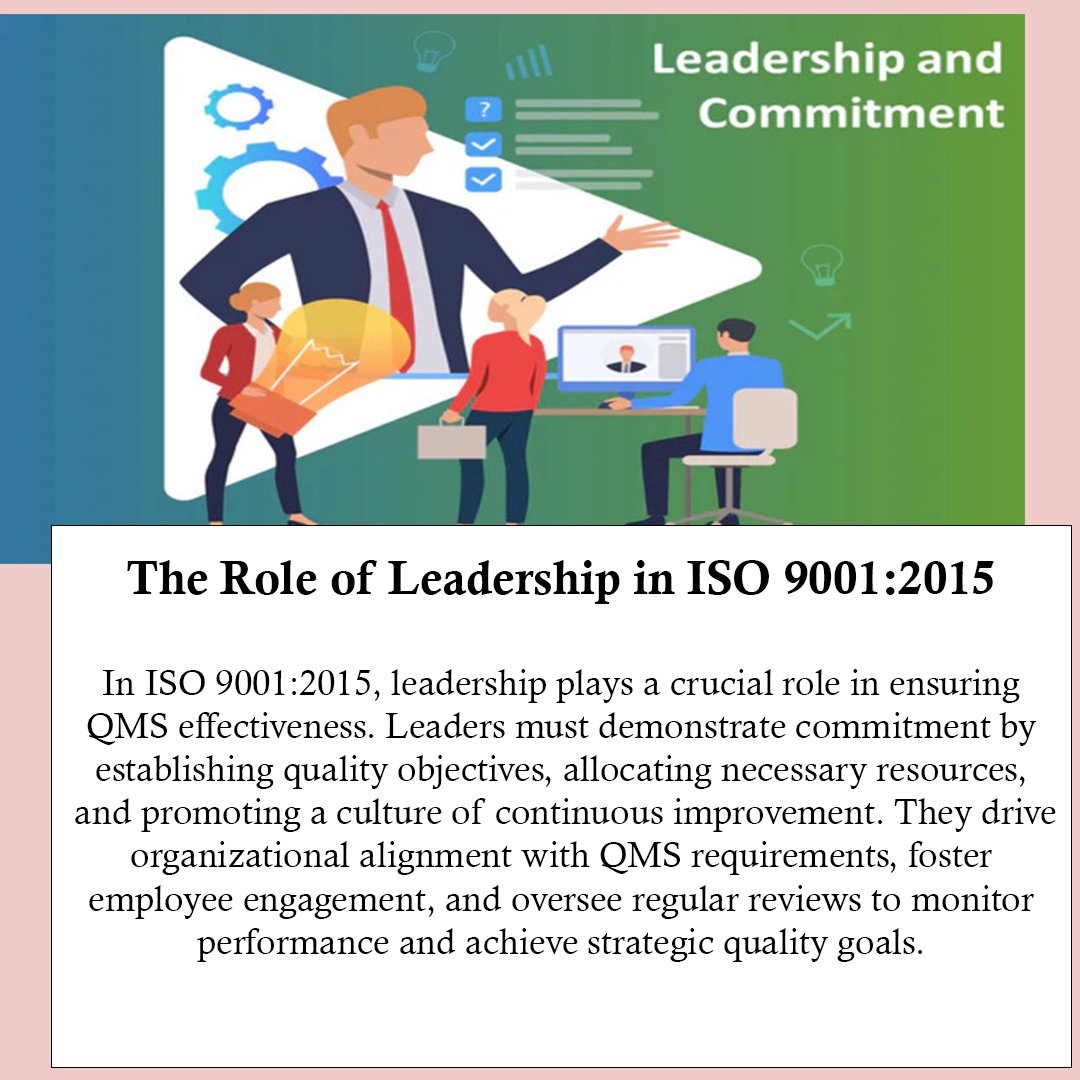
The Role of Leadership in ISO 9001:2015

Leadership plays a pivotal role in the successful implementation of ISO 9001:2015, the international standard for Quality Management Systems (QMS). Effective leadership commitment and involvement are essential to establishing a culture of quality, ensuring organizational alignment with ISO 9001:2015 requirements, and driving continuous improvement. This guide explores the

Read More

Common Challenges in Implementing ISO 9001:2015 and How to Overcome Them

Implementing ISO 9001:2015, while beneficial, can present several challenges for organizations. Overcoming these challenges requires careful planning, commitment from all levels of the organization, and a proactive approach to addressing potential obstacles. Here’s a comprehensive guide on navigating common challenges and achieving successful implementation of ISO 9001:2015.  1.

Read More

Steps to Achieve ISO 9001:2015 Certification

Achieving ISO 9001:2015 certification involves a structured process aimed at implementing a robust Quality Management System (QMS) that meets the requirements of the standard. This guide outlines the essential steps organizations need to follow from initial preparation to obtaining certification. Understand the Requirements of ISO 9001:2015 The first

Read More

The Benefits of Implementing ISO 9001:2015

Implementing ISO 9001:2015 offers numerous benefits to organizations of all sizes and sectors. This globally recognized standard for quality management systems (QMS) provides a framework that helps organizations consistently meet customer and regulatory requirements, improve their processes, and enhance overall performance. Below is an in-depth exploration of the

Read More

Key Changes in ISO 9001:2015 Compared to Previous Versions

ISO 9001:2015 introduced several significant changes compared to its predecessor, ISO 9001:2008. These updates were designed to ensure the standard remains relevant in a rapidly evolving business environment and to better address the needs of modern organizations. This comprehensive overview highlights the key changes in ISO 9001:2015, explaining

Read More

What is ISO 9001:2015?

ISO 9001:2015 is an internationally recognized standard for quality management systems (QMS). Developed and published by the International Organization for Standardization (ISO), this standard sets out the criteria for a quality management system and is based on a number of quality management principles including a strong customer focus,

Read More

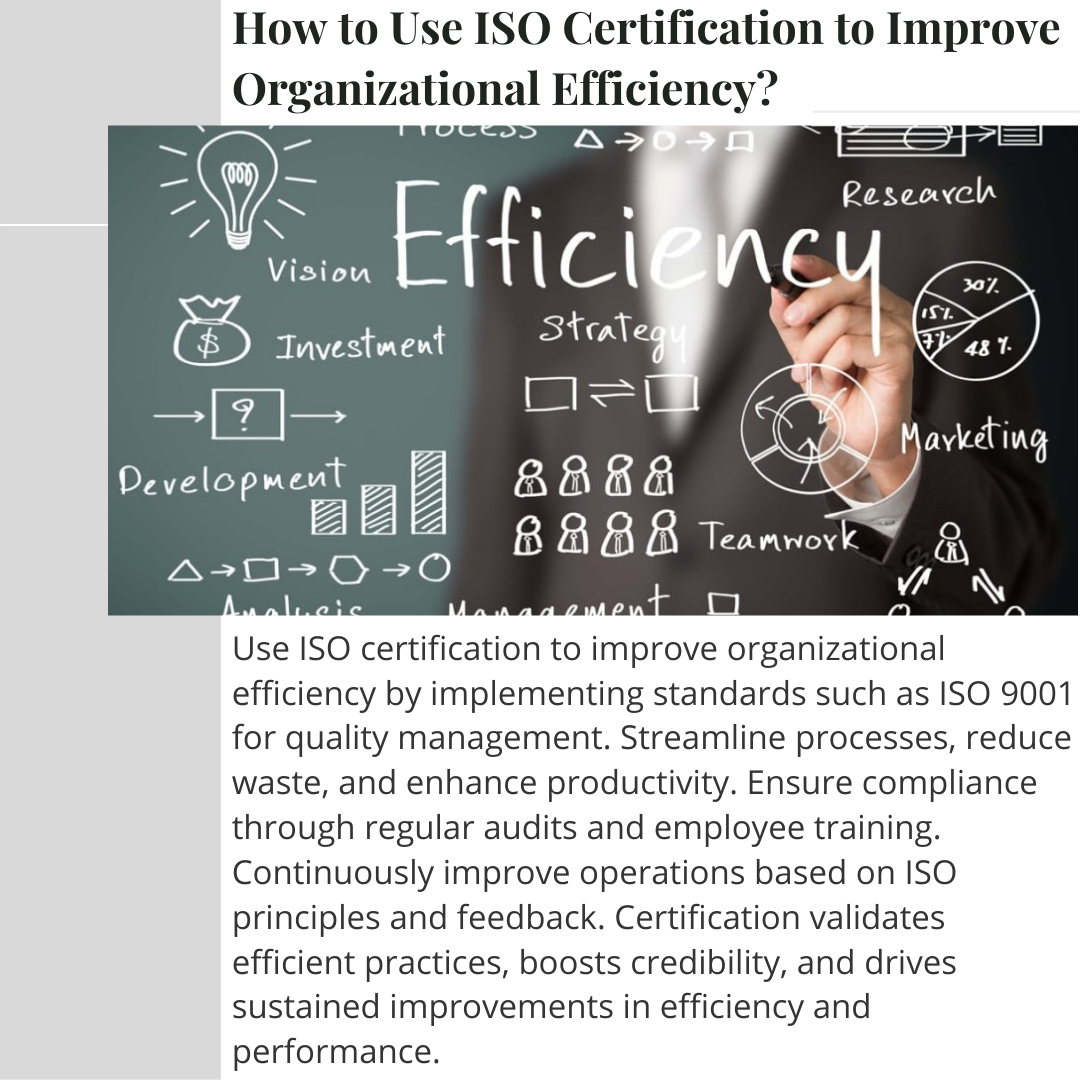
How to Use ISO Certification to Improve Organizational Efficiency?

Improving organizational efficiency through ISO certification involves implementing structured management systems that prioritize quality, streamline processes, and foster continuous improvement. Here’s a comprehensive guide on how to leverage ISO certification to enhance organizational efficiency, incorporating relevant keywords such as courses, certification, quality systems, and more.  How to Use

Read More

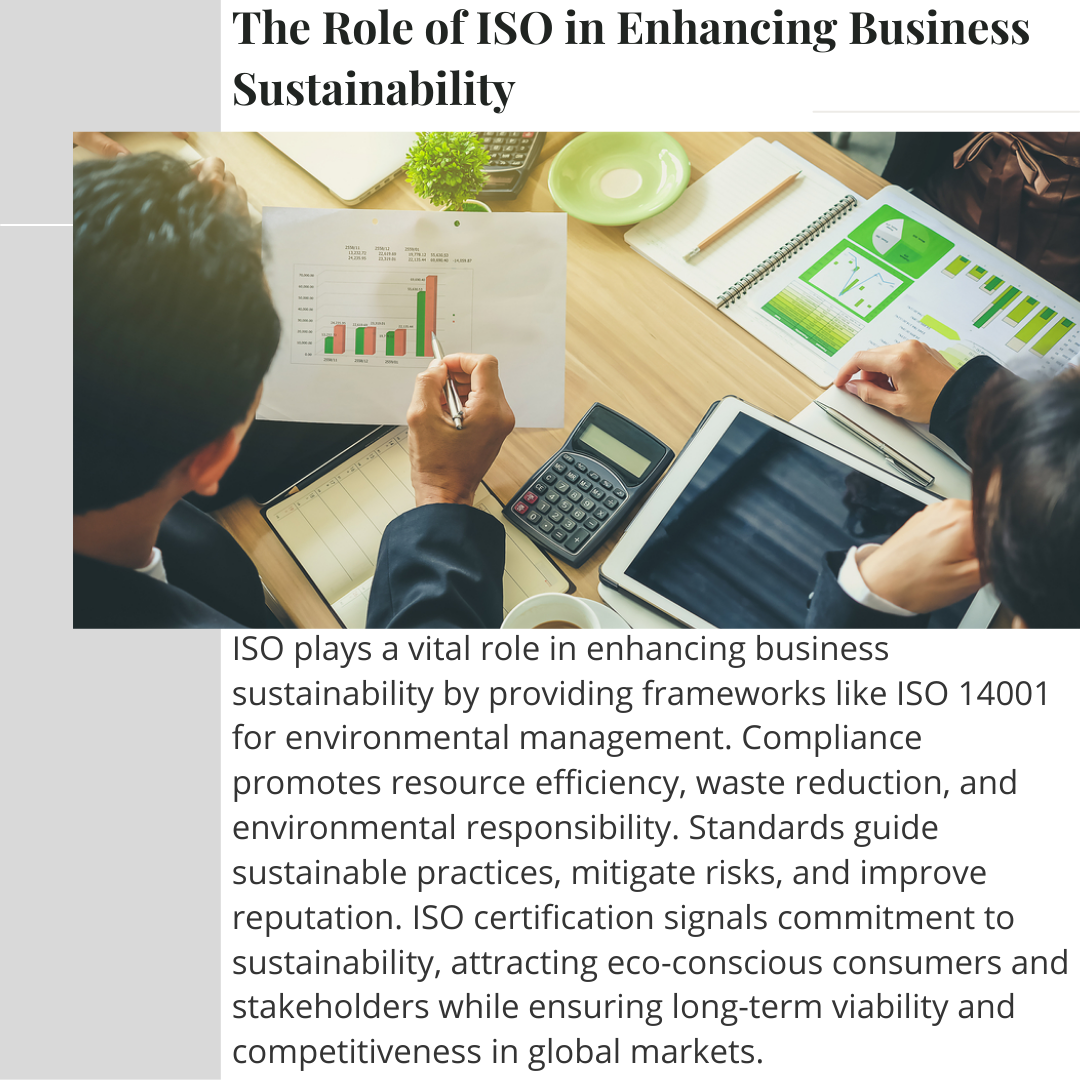
The Role of ISO in Enhancing Business Sustainability

The role of ISO standards in enhancing business sustainability is pivotal, as these frameworks provide systematic approaches to integrating environmental, social, and economic considerations into organizational practices. Here’s an exploration of how ISO contributes to business sustainability, incorporating relevant keywords such as courses, certification, quality systems, and more.

Read More

How to Develop an ISO-Compliant Strategic Plan?

Developing an ISO-compliant strategic plan involves aligning organizational objectives with ISO standards to ensure systematic implementation, continuous improvement, and adherence to quality management principles. Here’s a comprehensive guide on how to develop an ISO-compliant strategic plan, incorporating relevant keywords such as courses, certification, quality systems, and more.  How

Read More