Author: Rahul

Environmental Aspects and Impacts Identification

Identifying environmental aspects and impacts is a fundamental step in implementing ISO 14001:2015, the international standard for environmental management systems (EMS). This process enables organizations to understand how their activities, products, and services interact with the environment, assess associated risks and opportunities, and develop effective strategies for environmental

Read More
Steps to Implement ISO 14001:2015

Implementing ISO 14001:2015, the international standard for environmental management systems (EMS), requires a systematic approach to ensure effectiveness, compliance, and continuous improvement. This practical guide outlines the key steps organizations can follow to successfully implement ISO 14001:2015 and achieve their environmental management objectives. Step 1: Establishing Leadership and

Read More

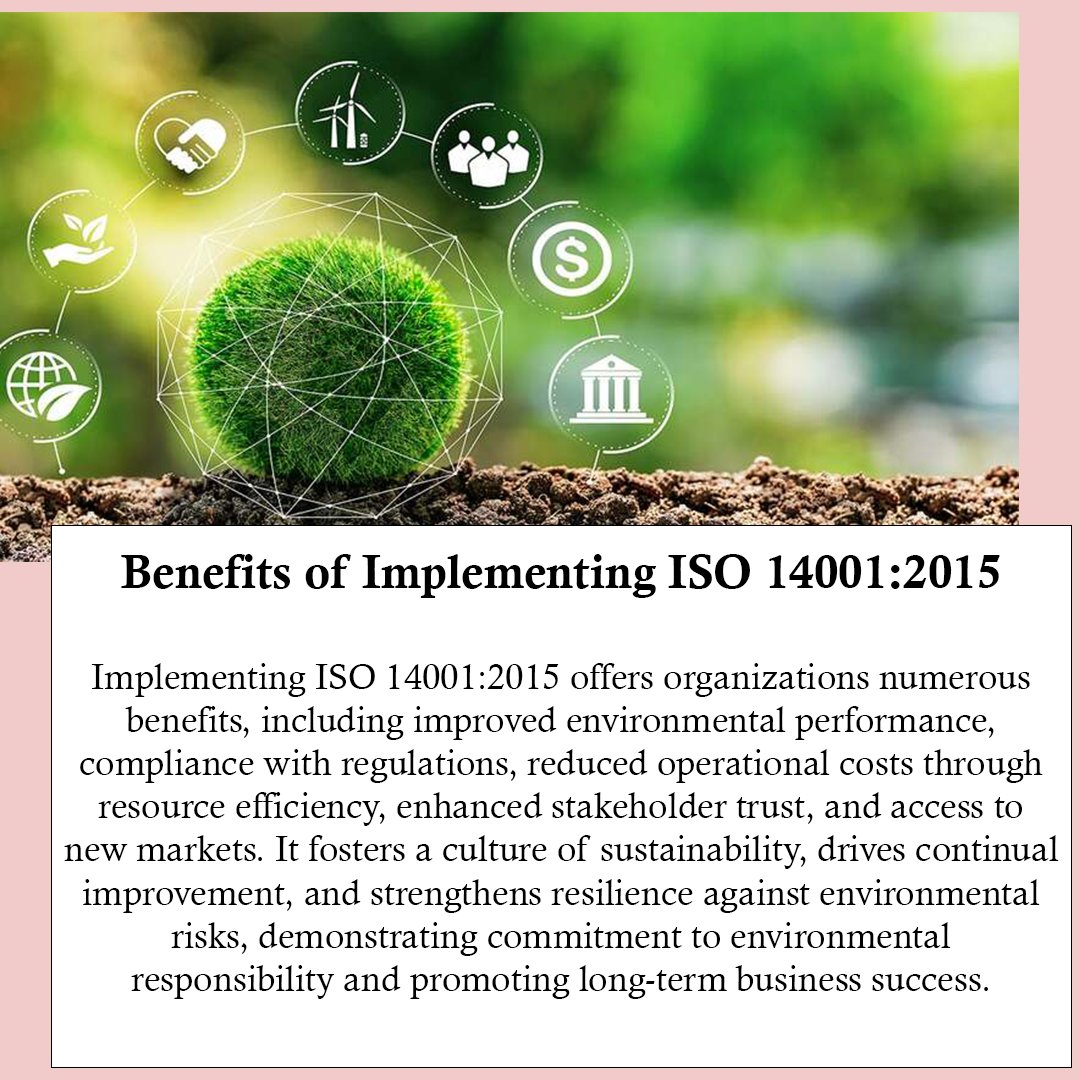
Benefits of Implementing ISO 14001:2015

ISO 14001:2015, the international standard for environmental management systems (EMS), offers numerous benefits for organizations committed to improving their environmental performance, ensuring compliance with regulatory requirements, and enhancing overall sustainability. This article explores the advantages of implementing ISO 14001:2015, focusing on how organizations can leverage the standard to

Read More

Overview of ISO 14001:2015

ISO 14001:2015 is an internationally recognized standard that specifies requirements for an environmental management system (EMS). It provides a framework that organizations can follow to enhance their environmental performance, achieve compliance with environmental regulations, and effectively manage environmental risks and opportunities. Purpose and Scope The primary purpose of

Read More

Key Changes from ISO 14001:2004 to ISO 14001:2015

ISO 14001:2015, the international standard for environmental management systems (EMS), introduced significant updates and improvements compared to its predecessor, ISO 14001:2004. These changes aimed to enhance the standard’s relevance, effectiveness, and alignment with other management system standards. This article explores the key changes from ISO 14001:2004 to ISO

Read More

ISO 9001:2015 in Different Industries

ISO 9001:2015, the international standard for Quality Management Systems (QMS), provides a framework that is applicable and beneficial across various industries. It offers a systematic approach to managing processes, improving quality, and enhancing customer satisfaction. This guide explores how different sectors can apply ISO 9001:2015 and derive significant

Read More

Training and Competence in ISO 9001:2015

Training and competence are integral aspects of ISO 9001:2015, the international standard for Quality Management Systems (QMS). They ensure that personnel performing work affecting product or service quality are qualified, capable, and continuously improving. This guide explores the requirements, benefits, and strategies for implementing effective training and competence

Read More

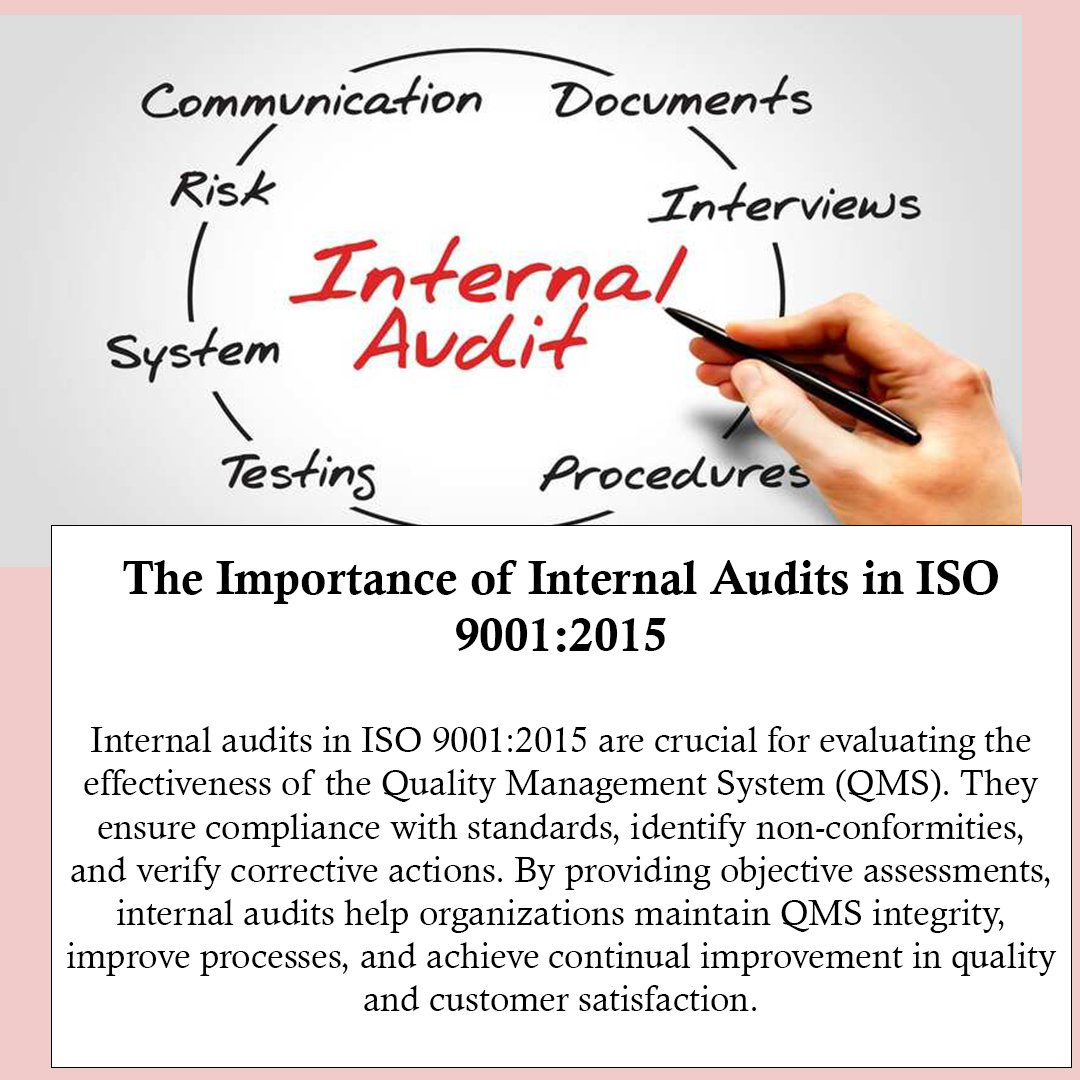
The Importance of Internal Audits in ISO 9001:2015

Internal audits play a pivotal role in ISO 9001:2015, the international standard for Quality Management Systems (QMS). They are systematic, independent assessments of an organization’s QMS to determine conformity with ISO 9001 requirements, effectiveness in achieving objectives, and opportunities for improvement. This guide explores the significance of internal

Read More

Customer Focus in ISO 9001:2015

Customer focus is a core principle of ISO 9001:2015, the international standard for Quality Management Systems (QMS). It emphasizes the importance of understanding, meeting, and exceeding customer requirements and expectations to enhance satisfaction and maintain long-term relationships. This guide explores the concept of customer focus within ISO 9001:2015,

Read More

Documented Information in ISO 9001:2015

Documented information is a critical component of ISO 9001:2015, the international standard for Quality Management Systems (QMS). It encompasses policies, processes, procedures, and records that provide evidence of the QMS’s effectiveness and conformity to requirements. This guide explores the requirements for documented information under ISO 9001:2015, essential documents,

Read More