Author: Rahul

Key Differences Between ISO 9001:2015 and ISO 21001:2018

ISO standards are essential frameworks that organizations use to ensure quality, efficiency, and continual improvement in their operations. ISO 9001:2015 and ISO 21001:2018 are two significant standards, each designed for different purposes and sectors. While ISO 9001 focuses on general quality management systems applicable to all types of

Read More
Step-by-Step Guide to Implementing ISO 21001:2018

Implementing ISO 21001:2018, the standard for Educational Organizations Management Systems (EOMS), is a structured process that requires careful planning, engagement from all stakeholders, and a commitment to continuous improvement. This step-by-step guide outlines the essential stages and considerations for educational institutions aiming to achieve ISO 21001 certification. Step-by-Step

Read More

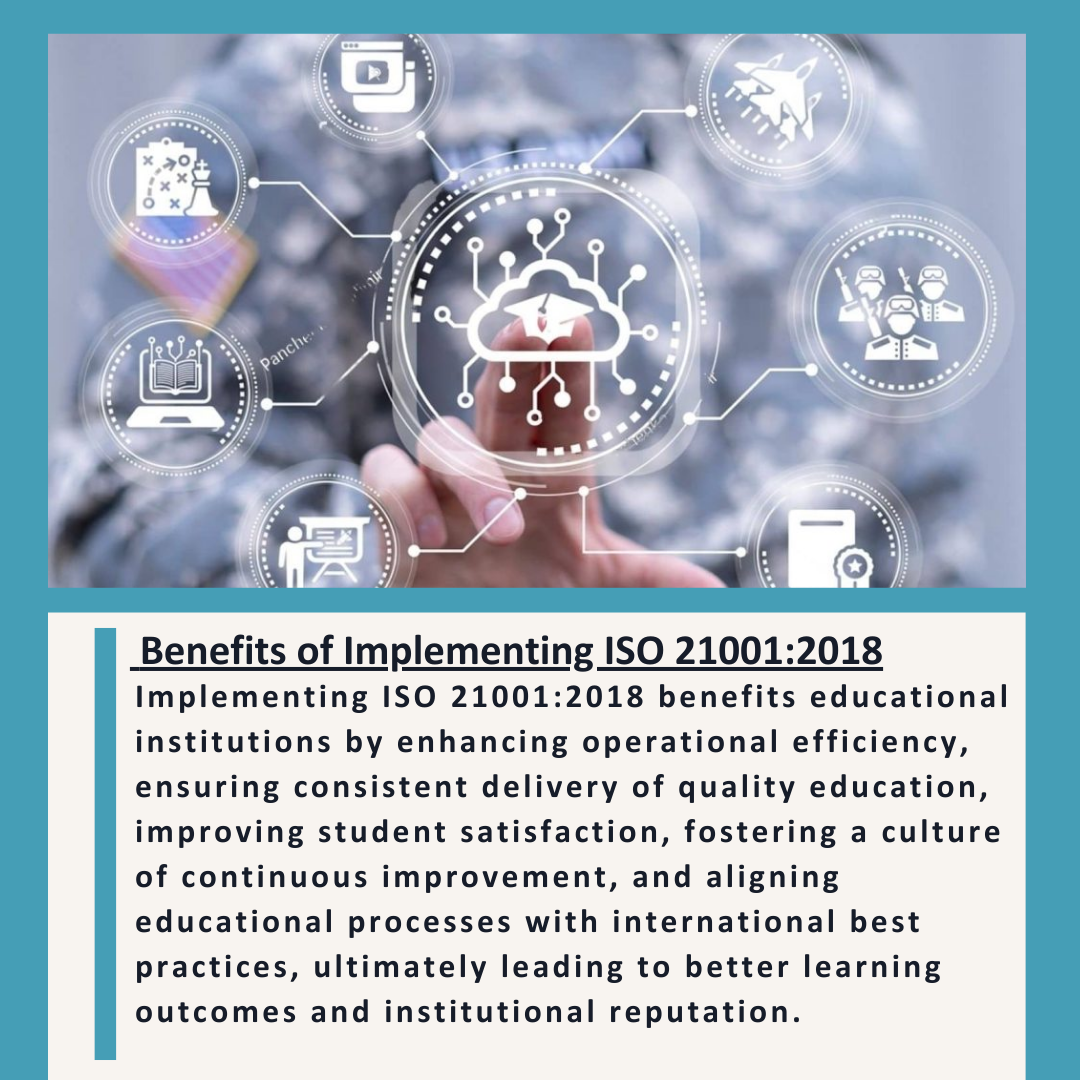
Benefits of Implementing ISO 21001:2018

Implementing ISO 21001:2018, the standard for educational organizations, offers substantial benefits that enhance both operational efficiency and student satisfaction. This framework is designed to improve the quality of educational processes and outcomes, aligning institutions with internationally recognized best practices in educational management. Here’s a detailed exploration of the

Read More

  Introduction to ISO 21001:2018

ISO 21001:2018, Educational organizations — Management systems for educational organizations — Requirements with guidance for use, is an international standard designed specifically for educational institutions. It provides a framework for establishing, implementing, maintaining, and improving management systems that enhance the educational process and ensure continuous improvement in educational

Read More

The Role of Technology in ISO 17024:2012 Compliance

Technology plays a pivotal role in modernizing and optimizing the compliance process for ISO 17024:2012, a standard that sets out criteria for the accreditation of bodies certifying persons. This integration of technology enhances efficiency, transparency, and adaptability, crucial for organizations seeking certification under ISO 17024:2012. Understanding ISO 17024:2012

Read More

Common Misconceptions about ISO 17024:2012

ISO 17024:2012 is a standard that specifies requirements for bodies certifying individuals against specific competencies or skills. Despite its importance in ensuring credibility and consistency in personnel certification, there are several misconceptions surrounding its scope, application, and benefits. This article aims to debunk these myths and provide a

Read More

How ISO 17024:2012 Enhances Consumer Confidence?

Consumer confidence is crucial in today’s global marketplace, where individuals seek assurance that products, services, and professionals meet high standards of quality and reliability. ISO 17024:2012 plays a pivotal role in enhancing consumer confidence by setting rigorous requirements for the certification of personnel, ensuring that certified professionals possess

Read More

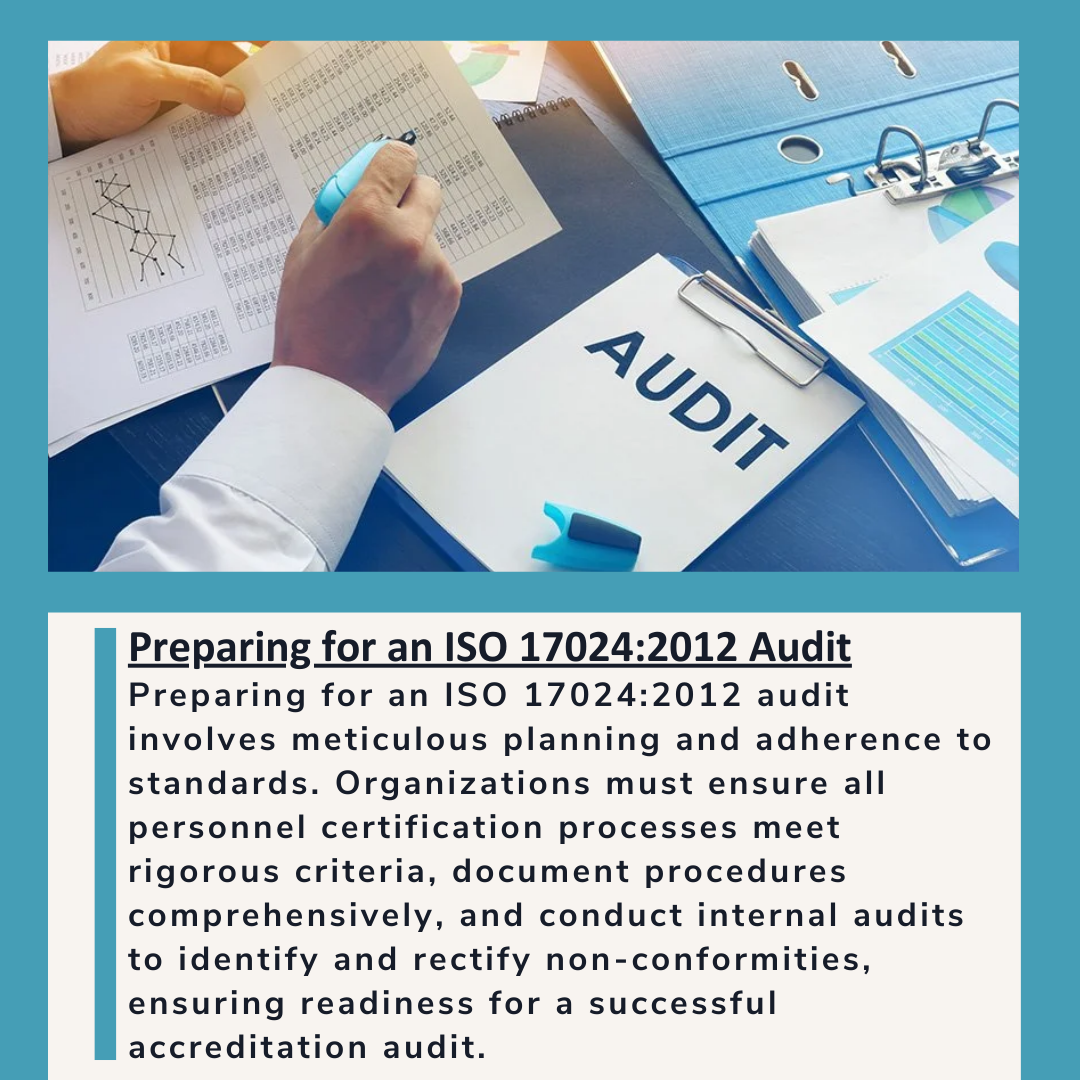
Preparing for an ISO 17024:2012 Audit

Preparing for an ISO 17024:2012 audit is a critical step for certification bodies seeking to demonstrate compliance with this internationally recognized standard for personnel certification. This comprehensive guide will outline the key aspects of preparing for an audit, including understanding the audit process, documentation requirements, readiness assessment, corrective

Read More

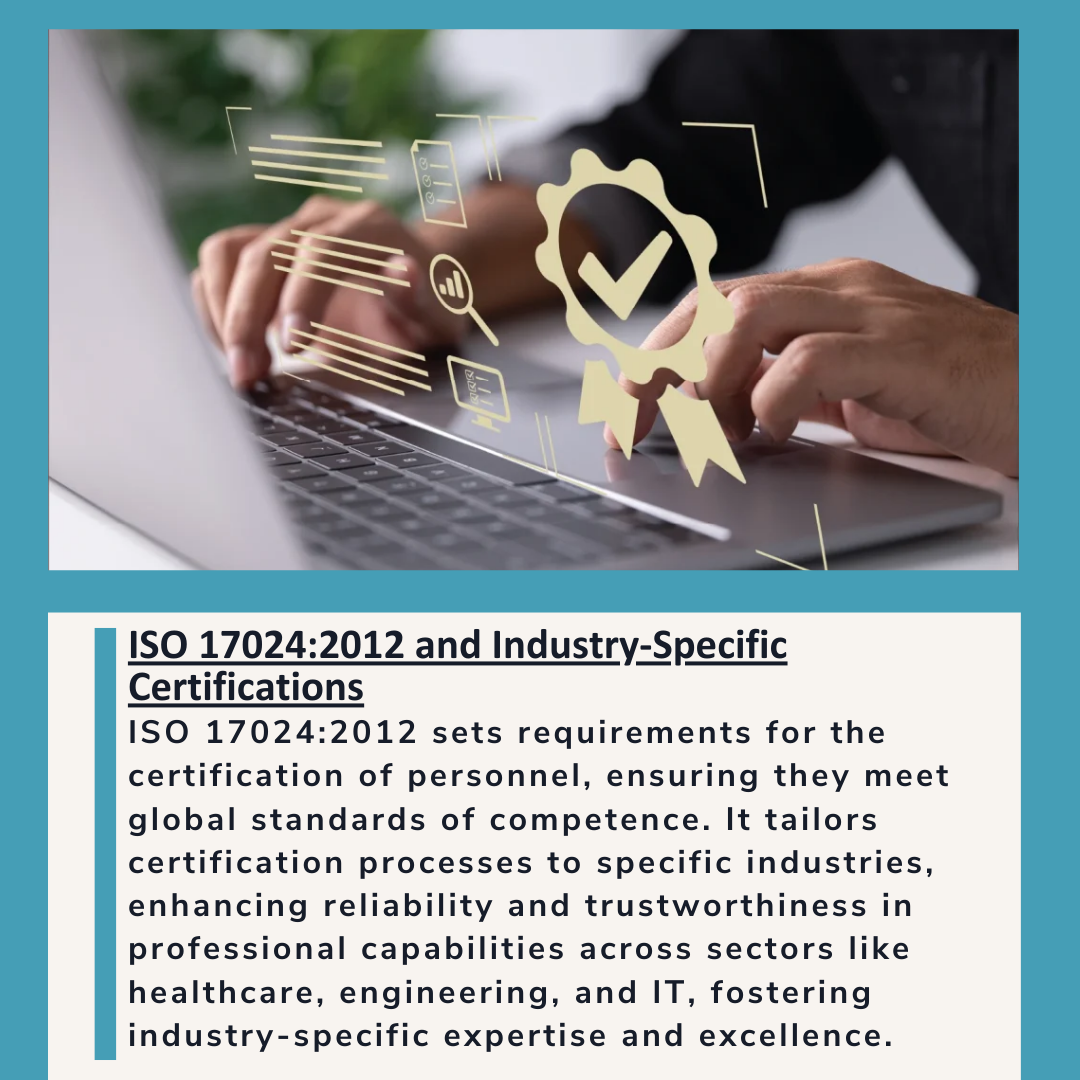
ISO 17024:2012 and Industry-Specific Certifications

ISO 17024:2012 is a globally recognized standard that outlines requirements for bodies certifying persons against specific requirements. It provides a framework for ensuring impartiality, competence, and consistency in certification processes, regardless of the industry. This comprehensive guide explores how ISO 17024:2012 intersects with industry-specific certifications, highlighting its benefits,

Read More

The Role of ISO 17024:2012 in Professional Development

ISO 17024:2012 is a globally recognized standard that specifies requirements for bodies certifying individuals against specific criteria. Its primary aim is to ensure that personnel certification processes are fair, consistent, and reliable across different industries and regions. This standard plays a crucial role in professional development by validating

Read More