Author: Rahul

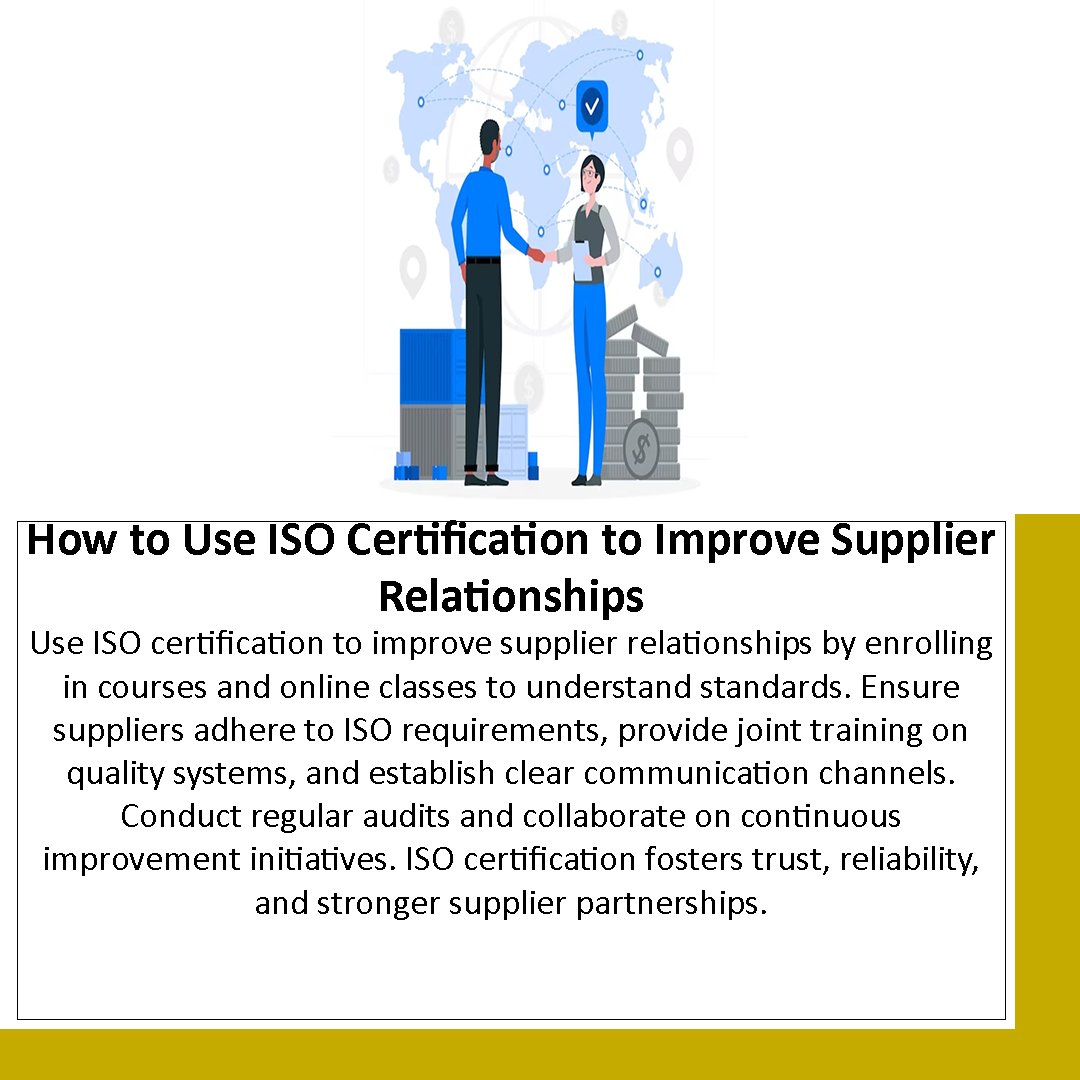
How to Use ISO Certification to Improve Supplier Relationships?

To leverage ISO certification for enhancing supplier relationships, businesses can implement strategic approaches that emphasize quality, reliability, and mutual benefit. By integrating ISO standards into supplier management practices, organizations can establish robust frameworks for collaboration, continuous improvement, and shared success. Here’s a guide on how to use ISO

Read More
The Future of ISO Certification: Trends and Predictions

ISO certification continues to evolve in response to global trends, technological advancements, and shifting market dynamics. As businesses adapt to new challenges and opportunities, the future of ISO certification is shaped by emerging trends that emphasize innovation, sustainability, and resilience. Here’s a look at the anticipated trends and

Read More

How to Develop an ISO-Compliant Quality Management System?

To develop an ISO-compliant Quality Management System (QMS), businesses need to follow a systematic approach that aligns with ISO 9001 standards. Here’s a comprehensive guide on how to develop an ISO-compliant QMS, incorporating relevant keywords such as Courses, ISO, Certification, Training, Quality, Systems, Standard, Management, Qualification, Online Classes,

Read More

ISO Certification and Employee Engagement

ISO certification plays a crucial role in enhancing employee engagement by fostering a culture of quality, continuous improvement, and active participation in organizational goals. It empowers employees through training, involvement in ISO processes, and recognition of their contributions to quality management systems. Here’s an exploration of how ISO

Read More

The Relationship Between ISO Certification and Risk Management

ISO certification and risk management are closely intertwined, with ISO standards providing a structured framework for identifying, assessing, and mitigating risks within an organization. By integrating risk management practices into their management systems, businesses can enhance operational resilience, ensure compliance with regulatory requirements, and achieve sustainable growth. Here’s

Read More

How ISO Certification Can Drive Business Growth?

ISO certification can significantly impact business growth by enhancing operational efficiency, increasing customer trust, and accessing new markets. It provides a framework for organizations to demonstrate their commitment to quality management and continuous improvement, thereby fostering competitiveness and sustainability. Here’s an exploration of how ISO certification drives business

Read More

ISO Certification and Continuous Improvement

ISO certification serves as a catalyst for continuous improvement within organizations by establishing a structured framework for quality management systems. It encourages businesses to identify opportunities for enhancement, streamline processes, and foster a culture of ongoing innovation. Here’s an exploration of how ISO certification promotes continuous improvement, integrating

Read More

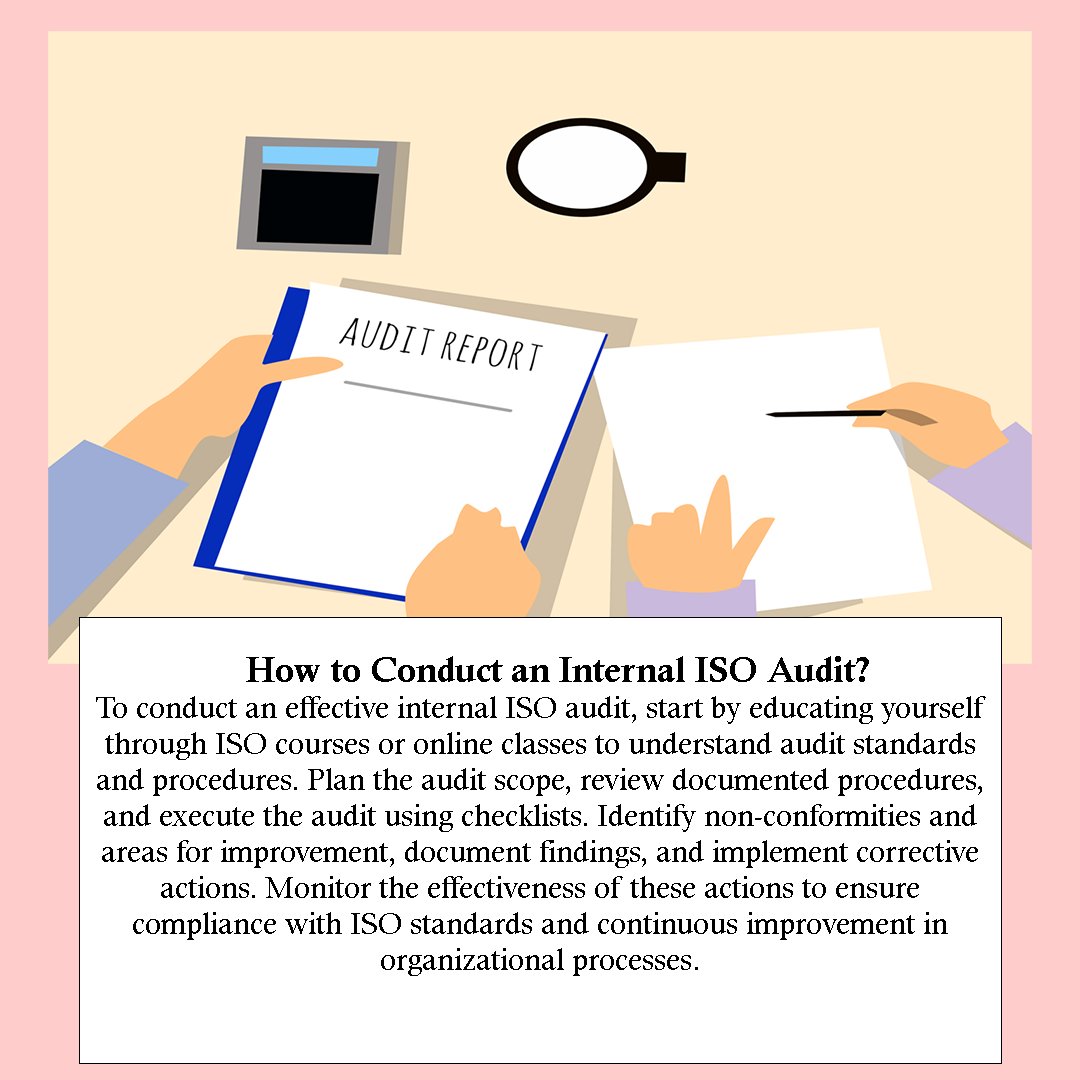
How to Conduct an Internal ISO Audit?

Internal audits are essential for businesses seeking ISO certification or maintaining compliance with ISO standards. They provide a systematic review of processes, identify areas for improvement, and ensure adherence to established quality management systems. Here’s a step-by-step guide on how to conduct an internal ISO audit, incorporating relevant

Read More

The Importance of Documentation in ISO Certification

Documentation plays a critical role in ISO certification, providing a structured framework for businesses to establish, implement, and maintain their management systems according to ISO standards. Here’s an exploration of why documentation is essential in ISO certification, integrating relevant keywords such as Courses, ISO, Certification, Training, Quality, Systems,

Read More

ISO Certification and Regulatory Compliance

ISO certification plays a crucial role in ensuring regulatory compliance for businesses across various industries. By adhering to internationally recognized standards, businesses can streamline processes, mitigate risks, and demonstrate their commitment to quality and safety. Here’s an exploration of how ISO certification intersects with regulatory compliance, incorporating relevant

Read More